
Halogen heating elements
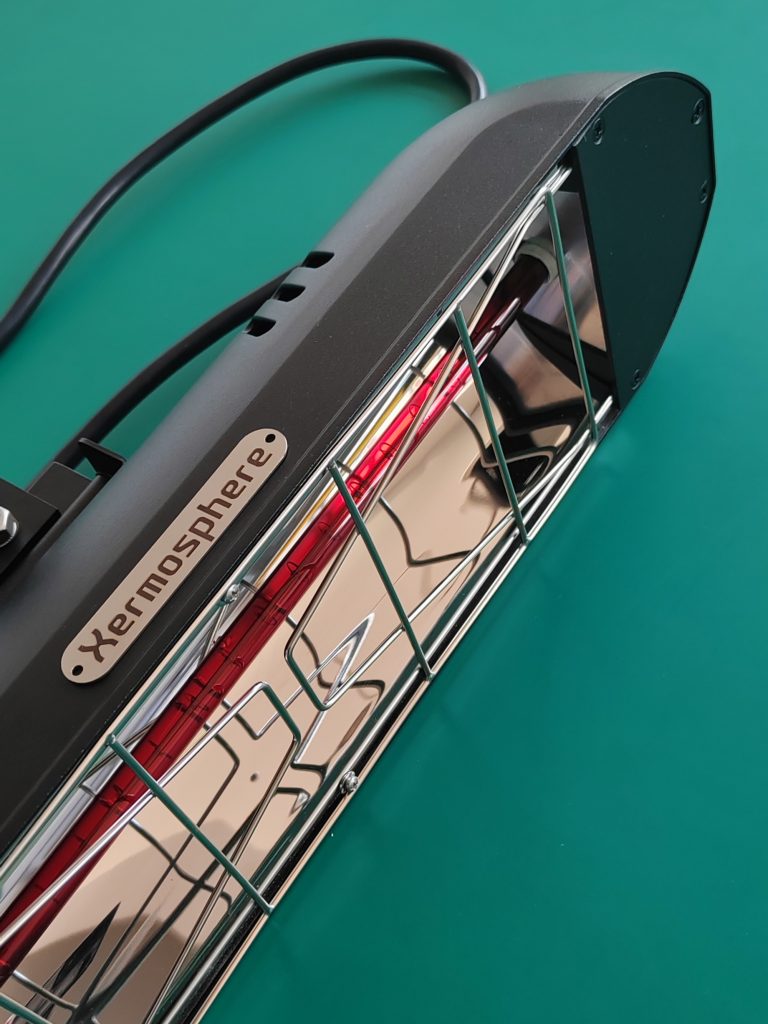
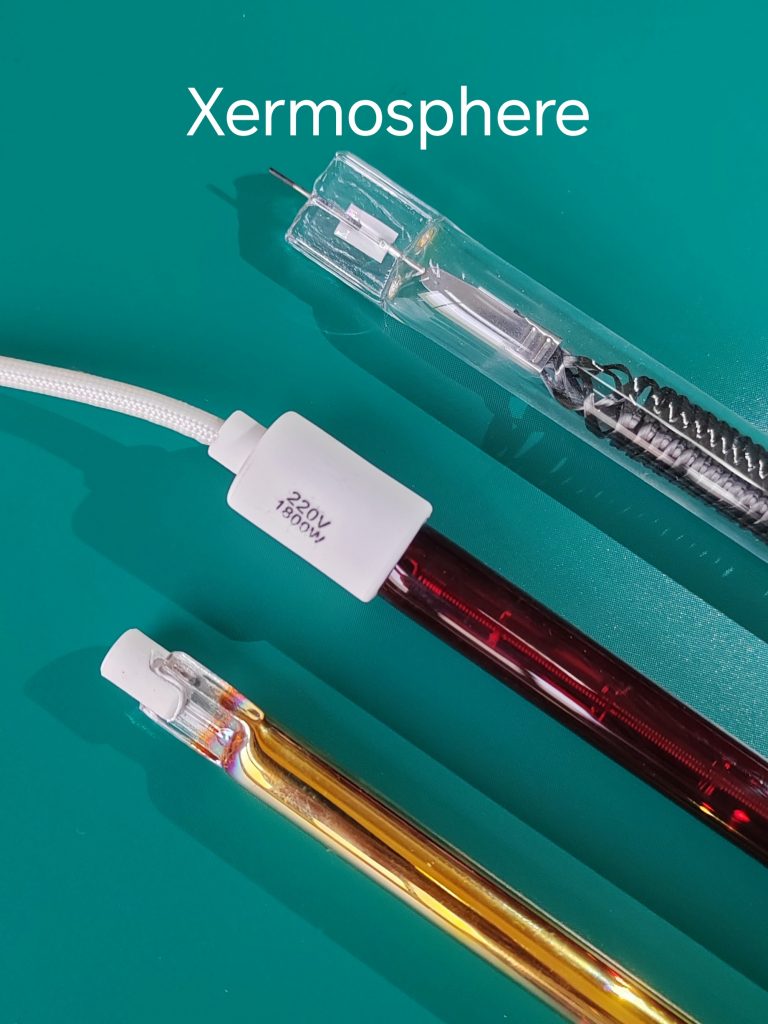
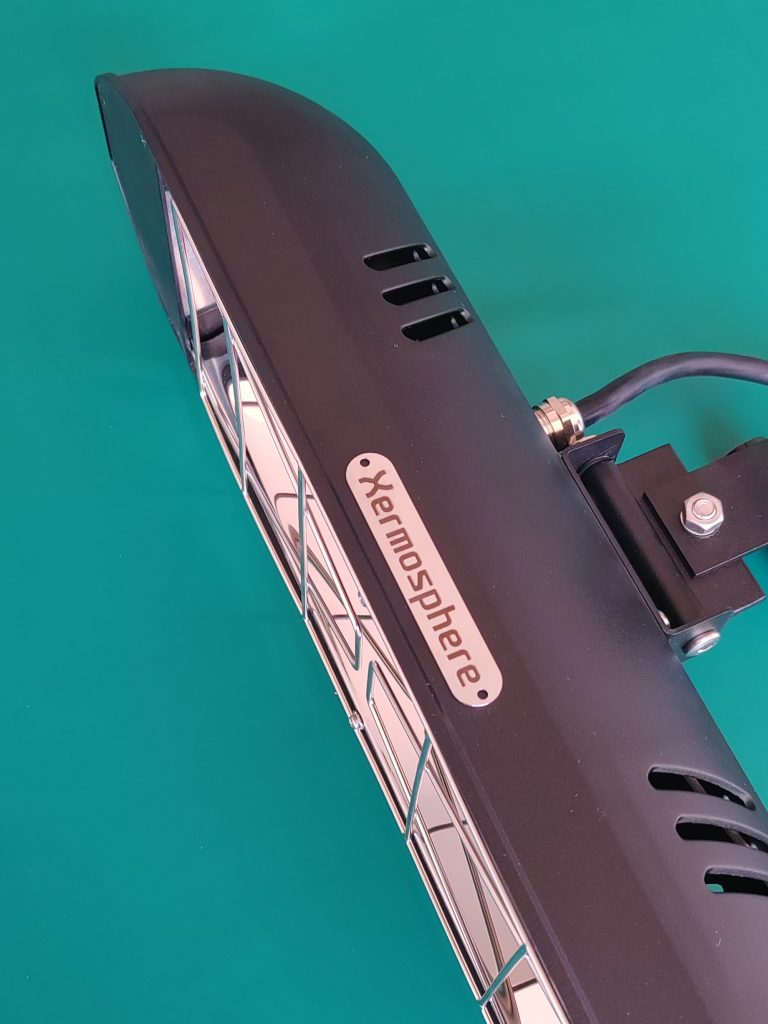
Our infrared halogen heating element is a kind of infrared light source, emitting infrared short wave rays efficiently from a compact tubular body.
We can provide with custom design which correspond with customer's request.
Features
1) Dependable infrared heat source
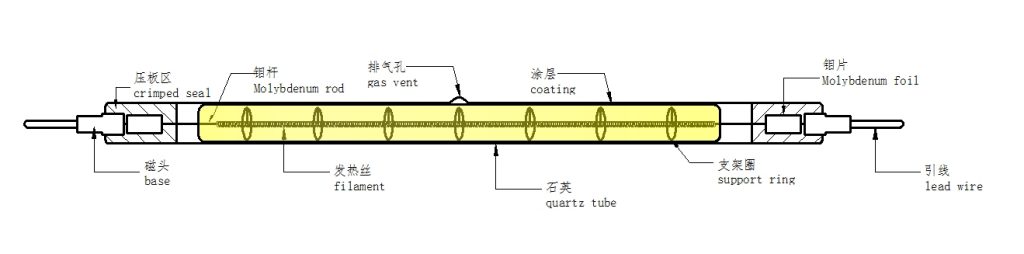
Long life and high reliability are achieved thanks to the regenerative halogen cycle inside the quartz tube.
2) Quick to start, Easy to control infrared emission rate
Infrared heating process starts within one second after plugging into a power source. And, infrared emission rate can be controlled simply with a transformer.
3) Efficient to heat
Slim body makes shorter thermal conduction path to the target object, achieving better efficiency.
4) Easy to build up a heat source array
By laying plural halogen heaters, it is easy to make a high capacity infrared heat source. And, focused infrared rays can be generated with a simple reflector system.
5) Clean and odor-free heat source
No risk of contamination over environment or target objects.
Applications
1)Plastics thermoforming in molding process
2)Paint curing
3)Zone heating for both outdoor and indoor usage
4)Semiconductor manufacturing process
5)Moisture control / Coat Drying in paper production process
6)Food warmer
7)Drying, curing, pre-heating in various kinds of industry process
Notification for Safety
 Warning
1) Do not touch a halogen heater just after cutting off its power supply.
Temperature of a halogen heater surface can exceed 600 during its operation.
Caution
1) Do not touch halogen heater quartz body with bare hands.
Quartz tube material can be deteriorated by salt to lose mechanical strength.
Sweat or finger print contain salt components, have unfavorable influence on quartz tubes.
2) The application design -- lamp voltage, thermal environment, reflector system etc -- must prevent excessive temperature on lamp surface, which may inflate or bend at over 900.
And, Design the application so that the temperature of a lamp sealing part not to exceed 300℃.
Excessive temperature at this part, often caused by a reflector structure or coverings etc, may destroy conductive film in the sealing part.